

R&D Expertise
Approximately 20% of our total workforce consists of R&D personnel. Based on their accumulated technical experience, our specialized engineers and researchers are leading the development of advanced processes and new technologies.

The Ilshin Autoclave R&D Center has dedicated the past 30 years to establishing theoretical foundations and driving technological innovation in high-temperature and high-pressure equipment. As the global industry rapidly evolves, the values of eco-friendliness, high efficiency, and miniaturization are becoming increasingly vital. In response to these modern demands, high-temperature and high-pressure technology is gaining greater significance as a core alternative solution.
This technology is utilized across a wide range of industries, including electrical/electronic materials, biotechnology, pharmaceuticals, food, textiles, chemicals, and energy. Through continuous research and development, Ilshin Autoclave has secured the highest level of technical expertise and reliability in Korea within this field. With an unwavering spirit of innovation and challenge, we will continue to research new process technologies and provide the highest quality equipment and solutions that our customers can trust.
Approximately 20% of our total workforce consists of R&D personnel. Based on their accumulated technical experience, our specialized engineers and researchers are leading the development of advanced processes and new technologies.

We execute national R&D projects and various process development initiatives. By promoting technological advancement and commercialization through industry-academic-research collaboration, we are creating new industrial value based on our accumulated expertise.
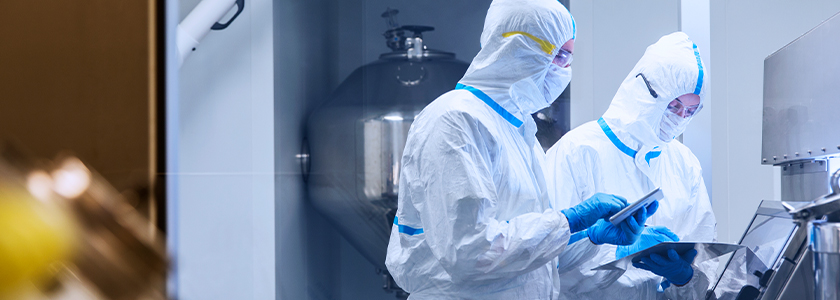
We analyze domestic and international industrial trends and academic data to provide strategic directions for technological development and establish the theoretical foundations for new materials and processes. Furthermore, we are continuously strengthening our research systems to lead the changes in future industries.
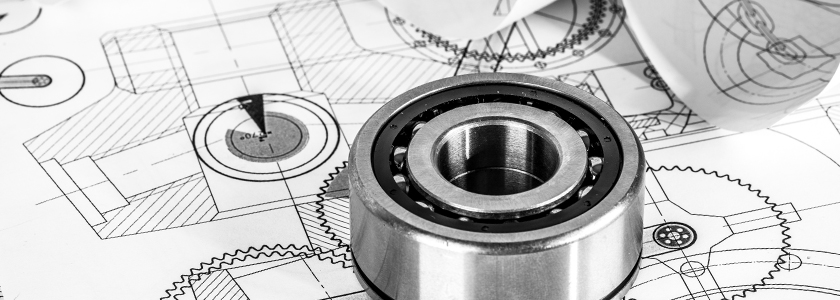
We develop new products and processes through the application of core technologies and enhance industrial competitiveness by proposing customized equipment and solutions. Through relentless research and experimentation, we continue to develop next-generation, high-value-added products.
2024.07.01 ~ 2027.12.31
Development of 16mW/mK class non-combustible insulation materials and commercialization technology based on organic-inorganic hybrid aerogels using supercritical fluids.
Heungil Polychem Co., Ltd.
The organic-inorganic composite aerogel is a urethane/silica-based blend, representing the world’s first hybrid aerogel material of its kind. By reinforcing it with silicate, which offers superior thermal insulation, and fibrous non-woven fabrics, we establish a robust internal structure, leading to significantly enhanced mechanical properties.
Urethane-based aerogels are expected to form a strong composite structure through molecular bonding with fibers.
This composite material maintains high porosity and pore volume regardless of the composition ratio. As a multi-functional material that realizes a synergy between organic and inorganic components, its development is expected to enable the commercialization of high-performance composite materials demanded by end-user industries.
2023.04.01 ~ 2025.12.31
Development of 220MPa-class micro multi-channel high-pressure dispersion equipment for secondary battery conductive agents.
Ilshin Autoclave Co., Ltd.
We aim to develop nanoparticle dispersion equipment capable of manufacturing conductive agents with a solid content of 5wt% or higher, utilizing micro multi-channel high-pressure dispersion technology for CNT (Carbon Nanotube) conductive materials used in secondary batteries.
To meet the increasing demand of the expanding secondary battery industry, our goal is to develop equipment that achieves higher nanoparticle dispersibility than current technology levels. By developing a linear reciprocating drive system based on servo motor control, we aim to realize equipment that can operate efficiently even in clean-room environments.
2022. 04. 01 ~ 2026. 12. 31
Development of localized Hot Isostatic Pressing (HIP) equipment technology integrated with a Fast Cooling system.
Ilshin Autoclave Co., Ltd.
HIP (Hot Isostatic Pressing) process technology is essential for high-value-added industries, including special powder molded products, cemented carbides, and high-density semiconductor components. Despite its importance, there is a very high reliance on imports from advanced countries such as Japan. As localization was not feasible through domestic private technical capabilities alone, we are conducting the development of HIP equipment manufacturing and process technologies through government support to revitalize the domestic industry.
2021.10.01 ~ 2022.12.31
Development of a low-cost, graphene-hybrid material-based portable $NO_2$ gas sensor operating at low temperatures (< 100℃) for real-time air quality monitoring.
G-Ever Co., Ltd.
Our goal is to fabricate a low-cost, portable sensor based on graphene-hybrid materials capable of detecting nitrogen dioxide (NO₂), a major air pollutant. Unlike conventional semiconductor-type sensors that require high operating temperatures (over 300℃), this sensor operates at low temperatures ranging from room temperature to 100℃
2020.05.01 ~ 2023.12.31
Development and demonstration of energy-saving process technologies for reaction-separation·purification in the fine chemical industry.
KRICT
The objective is to develop hybrid process technologies (membrane-based integrated with adsorption/supercritical/electrochemical·catalytic reactions) that can reduce energy consumption during reaction-separation·purification processes in the fine chemical industry. Through these advancements, we aim to secure global competitiveness by upgrading processes and improving energy efficiency.
2020. 04. 01 ~ 2024. 12. 31
Development of core materials for manufacturing 350Wh/kg-class ceramic secondary batteries.
Ilshin Autoclave Co., Ltd. (Sub-project 3)
The objective is to implement high-density densification cell manufacturing process technologies for ceramic ion conductor-based secondary batteries. Through this, we plan to carry out the design, fabrication, and evaluation of full-cells focused on achieving high energy density, high capacity, and high voltage performance. Furthermore, we are developing Warm Isostatic Press (WIP) process technologies for cell manufacturing to ensure reliability and achieve localization of the equipment.
2017. 06 ~ 2024. 12
Equipment technology for solid-state battery materials and components.
Ilshin Autoclave Co., Ltd.
A total of 1,064 promising companies from across the country applied for this prestigious "World-Class SME 100" designation. Ilshin Autoclave was proudly selected as one of only 8 companies in the machinery sector among the 55 finalists, recognized for our exceptional technological capabilities.
2017. 06 ~ 2019. 06
Development of a 650MPa-class ultra-high pressure double-row plunger pump using electro-hydraulic actuators.
Ilshin Autoclave Co., Ltd.
We successfully developed an "Ultra-high pressure (650MPa) double-row plunger pump using electro-hydraulic actuators" and completed the domestic patent registration for a pump equipped with an auxiliary shaft for tightening jig devices.
Notably, this ultra-high pressure plunger pump was honored with the Presidential Award at the 2019 Korea Invention Patent Exhibition.
2018. 12. 01 ~ 2020. 12. 19
Manufacturing technology for wire-wound ultra-high pressure vessels for food processing with enhanced durability and safety.
Ilshin Autoclave Co., Ltd.
By utilizing patented technology developed for ultra-high pressure vessels used in food sterilization, we have significantly improved the safety and durability of our equipment.
Furthermore, by injecting oil into the outer layers of the wire winding, we effectively prevent wire corrosion. This innovation drastically reduces replacement cycles and maintenance costs compared to conventional machines that require frequent silicone recoating.
2016. 07 ~ 2018. 12
Development of low-cost, compact High Pressure Processing (HPP) equipment for food texture improvement.
Ilshin Autoclave Co., Ltd.
Chungbuk National University
2015. 05 ~ 2017. 04
Development of continuous manufacturing technology for transition metal nano-catalysts with a specific surface area of 240m²/g or higher for low-temperature oxidation of VOCs and CO using high-pressure homogenizers.
Ilshin Autoclave Co., Ltd.
Chungbuk National University, Puresphere Co., Ltd.
2015. 06. ~ 2018. 05
Development of pre-treatment processes for removing impurities from unconventional crude oil.
Sungkyunkwan University Research & Business Foundation
Ilshin Autoclave Co., Ltd., KITECH, EMAC Solution Co., Ltd., Seoul National University R&DB Foundation
2014. 12 ~ 2017. 09
Energy Technology Development Project - MOTIE
Ilshin Autoclave Co., Ltd.
Sungkyunkwan University
2014. 11 ~ 2017. 11
Development of a continuous production system for anode nanoparticles for lithium secondary batteries.
Ilshin Autoclave Co., Ltd.
Chungnam National University
2013. 08 ~ 2014. 04
Development of core components for Turbochargers using eco-friendly, low-temperature rapid debinding technology.
Korea PIM
Ilshin Autoclave Co., Ltd.
2010. 06 ~ 2011. 05
Localization and development of high-capacity, ultra-high pressure nano-dispersion equipment for MLCC.
Ilshin Autoclave Co., Ltd.
2006. 11 ~ 2011. 05
Development of a supercritical fluid cleaning module for 45nm process technology.
Ilshin Autoclave Co., Ltd.
Pukyong National University
2007.06 ~ 2010.05
Catch tank & recycle unit for wet-type water jets with a recovery rate of 95% or higher.
Ilshin Autoclave Co., Ltd.
Pukyong National University
2007.04 ~ 2009.03
Development of wastewater treatment technology for non-biodegradable halogenated compounds using Supercritical Water Oxidation (SCWO) processes.
Ilshin Autoclave Co., Ltd.
Yonsei University
2005.07 ~ 2006.06
Development of an emergency portable air respirator with an adaptive open/close system synchronized with breathing.
Ilshin Autoclave Co., Ltd.
Magnetite nanoparticles were synthesized from Fe(OH)2 using a high pressure homogenizer without any dispersing agents and oxidant. The observed X-ray diffraction (XRD) patterns revealed that all the samples had the inverse spinel structure of magnetite nanoparticles. The average size of the synthesized magnetite particles was found to be controlled by the number of passes in the high pressure homogenizer nozzle. The average particle size estimated by the XRD and transmission electron microscopy (TEM) analysis ranged from 17 to 22 nm. Magnetic hysteresis measurements were performed using a vibrating sample magnetometer (VSM) to investigate the magnetic properties of the magnetite nanoparticles at room temperature, revealing the appearance of superparamagnetism in the magnetite nanoparticles synthesized through 1 to 3 passes at 1500 bar.
Journal of the Korean Magnetics Society 29(3), 73-78 (2019)
ISSN (Print) 1598-5385
ISSN (Online) 2233-6648
This research focuses on the extraction yield and composition of essential oil obtained from Korean orange peel waste by using supercritical CO2 extraction method. Various parameters were observed, such as temperature, pressure, particle size, and co-solvent participation. The result showed that the extraction yield increased at high pressure, low temperature, and small particle size. The high pressure increased CO2 density which leads to high solvating power while low temperature increased the solubility of terpenes and small particle size enables the CO2 molecules to spread widely and penetrate deeply on the orange peel, reducing its mass transfer resistance. Gas chromatography (GC) was conducted to observe the compounds inside the essential oil and the result showed that terpenes (monoterpenes and sesquiterpenes) and other compounds (alcohol, esters, ketones) were present. Limonene, as the main compound in the essential oil, was mostly extracted at 40oC and 100–200 bar, with the yield ranges from 0.7–1.0% (w/w). Ethanol was used as co-solvent and proven to increase the yield of essential oil by 1.4 times.
Korean Society for Biotechnology and Bioengineering Journal 33(4): 227-236 (2018)
ISSN 1225-7117
eISSN 2288-82688
Using a high pressure homonizer, we report on the electrochemical performance of Li4Ti5O12(LTO) particles manufactured as anode active material for lithium ion battery. High-pressure synthesis processing is performed under conditions in which the mole fraction of Li/Ti is 0.9, the synthesis pressure is 2,000 bar and the numbers of passings-through are 5, 7 and 10. The observed X-ray diffraction patterns show that pure LTO is manufactured when the number of passings-through is 10. It is found from scanning electron microscopy analysis that the average size of synthesized particles decreases as the number of passings-through increases. LiCoO2-based active cathode materials are used to fabricate several coin half/full cells and their battery characteristics such as lifetime, rate capability and charge transfer resistance are then estimated, revealing quite good electrochemical performance of the LTO particles as an effective anode active material for lithium secondary batteries.
Korean J. Mater. Res. Vol. 28, No. 6 (2018)
We report the effect of pressure varying from 0 to 1500 bar on the magnetic properties of magnetite nanoparticles synthesized from Fe(OH) 2 suspension using a high pressure homogenizer without any dispersing agent and oxidant. The observed X-ray diffraction (XRD) patterns showed that all the synthesized nanoparticles had the inverse spinel structure of magnetite. It was found from transmission electron microscopy (TEM) and XRD analysis that the average size of the synthesized magnetite particles could be controlled by the pressure of the high pressure homogenizer. The average particle size was found to range from 21 to 26 nm and decrease with increasing pressure. Magnetic hysteresis measurements performed at room temperature using a vibrating sample magnetometer (VSM) revealed the appearance of a superparamagnetic behavior in the magnetite nanoparticles synthesized at a pressure of 1500 bar.
Journal of the Korean Magnetics Society 26(6), 190-195 (2016)
ISSN 1598-5385 (Print)
ISSN 2233-6648 (Online)
This study was carried out to investigate the emulsifying properties of surface-active substances from defatted rapeseed cake by supercritical CO2 extraction. Based on the interfacial tension data, a supercritical fluid extract (SFE) with the lowest value of 14.16 mN/m was chosen for evaluation which was obtained from No. 2 extraction condition (150 bar, 65℃, 250 g). For emulsions with SFE, some physicochemical properties (i.e., fat globule size, creaming stability, zeta potential etc) were investigated according to changes in SFE concentration, pH, and NaCl addition in an emulsion. It was found that fat globule size was decreased with increasing SFE concentration in emulsion, with showing a critical value at 0.5 wt%, thereby resulting in less susceptibility to creaming behavior. The SFE emulsion also showed instability at acidic conditions (pH<7.0) as well as by NaCl addition. This was coincided with zeta potential data of emulsion. In addition, SSL (sodium stearoyl lactylate) found to be suitable as a co-surfactant, as it helped considerably in decreasing fat globule size in emulsions and its optimum concentration to be over 0.03 wt%, based on 0.1 wt% SFE in emulsion.
J. of Korean Oil Chemists’ Soc., Vol.30, No.4. December, 2013. 635~648
ISSN 1225-9098 (Print)
ISSN 2288-1069 (Online)
High Molecular weight β-glucan was depolymerized using a high pressure homogenizer with a micro orifice module. 5%(w/v) β-glucan solution was prepared with 1% (w/v) sodium hydroxide solution. The β-glucan solutions were treated through a high pressure homogenizer at 500, 1000 and 1500 bar for 1 to 5 cycles. The pressure and the number of passes increase the make viscosity and molecular weight decrease without the use of any additives such as strong acid/alkali solutions. Therefore, the high pressure homogenization process could be used in commercial processes as an effective method to resolve the physical problems involved in the use of β-glucan with high viscosity and low solubility. The depolymerized β-glucan was characterized by viscometer, GPC, FT-IR, UV-Vis and XRD.
American Journal of Research Communication, Volume 2(4), Apr 1, 2014
ISSN: 2325-4076
ISSN 2288-1069 (Online)
‘American Journal of Research Communication’에 Cover story로 선정
Large molecular weight chitosan was depolymerized by a high pressure homogenizer with a micro orifice module. 1 % (w/v) chitosan solution was prepared with 1 % (v/v) acetic acid solution. The chitosan solution was passed through a high pressure homogenizer at 500, 1000 and 1500 bar for 1 to 5 cycles. An increase in the pressure and the number of passes causes the viscosity and molecular weight to decrease without the use of any additives, such as acid/alkali solutions. The FT-IR spectra indicated no obvious modifications of the chemical structure of chitosan before and after the high pressure homogenizer treatment. The UV spectra showed a new absorption band of carbonyl groups at 255 nm. The carbonyl groups might be formed during depolymerization. The XRD results showed that the crystallinity of the chitosan decreased with increases in the pressure and the number of passes.
International Journal of Molecular Sciences, 2014, 15
ISSN: 1422-0067
A ceramide-containing nanoemulsion was synthesized by using a High-Pressure Homogenizer (HPH) to observe its changes in properties and long-term stability. The droplet size, droplet distribution and zeta potential of nanoemulsion were examined by varying the pressure and the number of passes of the HPH. The increase in HPH pressure and number of passes decreased the average droplet size and made the nanoemulsion more uniform. However, beyond certain operating condition, the recombination between the droplets was confirmed due to droplet surface energy and emulsifier. This study also shows that the decrease in droplet size increased the nanoemulsion viscosity although only minimal changes occurred in the zeta potential. The formed nanoemulsion was then tested for its stability by storing it at 25 and 45 oC for 28 days. During the first week, the average droplet size increased due to recombination and then subsequently remained constant. We confirmed that ceramide nanoemulsion for industrial application could be synthesized by using HPH.
Korean Chem. Eng. Res., 58(4), 530-535 (2020)
PISSN 0304-128X, EISSN 2233-9558
Design methodology for Hot Isostatic Pressing (HIP) equipment integrated with a rapid cooling system
Hot Isostatic Pressing (HIP) is a process that utilizes gas as a medium to simultaneously apply temperatures below the melting point and pressures exceeding 100 MPa to metal or ceramic powder materials. This technique enables high-density sintering and diffusion bonding of dissimilar metals.
Generally, metals manufactured through casting or forging can achieve superior mechanical properties through the HIP process by eliminating internal pores and increasing density and compactness. This not only improves thermal fatigue stability and wear resistance but also drastically extends fatigue life. Consequently, HIP is a critical process in safety-critical sectors such as aerospace, space, and defense, as well as energy, automotive, semiconductors, and medical fields. In particular, it is recognized as an essential process for the commercialization of Small Modular Reactors (SMRs) and is expected to see high demand in nuclear power and metal 3D printing applications.
However, the conventional HIP cooling process, operated under high-temperature and high-pressure conditions, typically takes 6 to 8 hours, limiting operation to only one cycle per day. This low productivity has been a significant barrier to broader industrial adoption. To address this issue, this study proposes a design methodology for rapid cooling by implementing cooling channels either inside or on the outer periphery of a double-cylinder reaction vessel.
Design methodology of back-up rings for enhancing the airtightness and durability of ultra-high pressure vessels
Ultra-high pressure (UHP) vessels are defined as closed containers used for fluid reaction, storage, synthesis, or separation. These vessels are subjected to complex internal and external loads depending on various operating conditions. To maintain an ultra-high pressure environment within the vessel, a sophisticated sealing structure is required. Specifically, the back-up ring, an essential component of the closure (cover) alongside the main seal, plays a critical role in pressure containment.
When high pressure is applied, a gap inevitably forms between the pressure vessel and the closure. The back-up ring prevents the main seal from being squeezed into this gap—a phenomenon known as extrusion—which causes tearing. By installing the back-up ring at the front or rear of the main seal, it prevents deformation and displacement, thereby serving as a core component that indirectly ensures the vessel's airtightness.
Recently, UHP vessels used in High Pressure Processing (HPP) for sterilization, secondary sintering of ceramics, and high-density densification for all-solid-state battery (ASB) cell manufacturing have reached operating pressures exceeding 500 MPa. These pressures far exceed the yield strength of conventional back-up ring materials. Consequently, repeated use leads to material failure, compromising airtightness and durability, which poses significant risks to both production costs and equipment safety.
To address these challenges, this study proposes an advanced design methodology for back-up rings with enhanced airtightness and durability. This is achieved through the selection of optimal materials and a comprehensive analysis of omnidirectional stress acting on the back-up ring within the vessel during ultra-high pressure processing.
Fatigue life assessment of high-pressure homogenizer heads using fatigue design principles
A high-pressure homogenizer is a device used to disintegrate and mix materials using high pressure. By forcibly passing high-pressure fluid through a small orifice, the material particles are pulverized into ultra-fine sizes and mixed uniformly through the effects of shear force, impact, and cavitation within the orifice nozzle. The resulting dispersions are widely used in manufacturing, cosmetics, food, and various industrial sectors, and have recently been utilized for CNT (Carbon Nanotube) dispersions in secondary battery conductive materials.
However, the high-pressure head, a core component of the homogenizer, is subjected to repetitive loading and unloading at pressures exceeding 250 MPa during the linear reciprocating motion of the piston. This often leads to fatigue failure, posing significant risks to both production continuity (cost-wise) and operator safety. To address these issues, this study analyzed the causes of fatigue failure in high-pressure heads and aimed to ensure durability and stability by designing and manufacturing them to prevent cracks or defects caused by cyclic loading.
The foundational strength theory for the design was based on the ASME (American Society of Mechanical Engineers) Code. The heads were manufactured using the autofrettage process, and the adequacy of the design was verified through structural analysis.
Fatigue life assessment of high-pressure homogenizer heads using fatigue design principles
A high-pressure homogenizer is a device used to disintegrate and mix materials using high pressure. By forcibly passing high-pressure fluid through a small orifice, the material particles are pulverized into ultra-fine sizes and mixed uniformly through the effects of shear force, impact, and cavitation within the orifice nozzle. The resulting dispersions are widely used in manufacturing, cosmetics, food, and various industrial sectors, and have recently been utilized for CNT (Carbon Nanotube) dispersions in secondary battery conductive materials.
However, the high-pressure head, a core component of the homogenizer, is subjected to repetitive loading and unloading at pressures exceeding 250 MPa during the linear reciprocating motion of the piston. This often leads to fatigue failure, posing significant risks to both production continuity (cost-wise) and operator safety. To address these issues, this study analyzed the causes of fatigue failure in high-pressure heads and aimed to ensure durability and stability by designing and manufacturing them to prevent cracks or defects caused by cyclic loading.
The foundational strength theory for the design was based on the ASME (American Society of Mechanical Engineers) Code. The heads were manufactured using the autofrettage process, and the adequacy of the design was verified through structural analysis.
Development of ultra-high pressure dispersion equipment and its applications in chemical processes
Based on 30 years of accumulated high-temperature and high-pressure technology and experience, Ilshin Autoclave Co., Ltd. has successfully developed and commercialized the Nano Disperser, an ultra-high pressure dispersion system. This study examines its application cases in chemical processes and various industrial fields.
Ultra-high pressure dispersion equipment operates by pressurizing a fluid to extreme levels and forcing it through a fine orifice module. During this process, strong shear forces and impact effects from the high-velocity fluid, cavitation caused by rapid pressure drops, and turbulence occur simultaneously. These phenomena enable the atomization of samples into nano-sized particles and ensure the uniform dispersion of components within the fluid.
The equipment is categorized into the Micro Disperser (for medium-to-low pressure) and the Nano Disperser (for ultra-high pressure), allowing for selective application depending on the required process conditions and desired particle size.
Initially used in the pharmaceutical sector for the uniform dispersion of trace medicines, high-pressure dispersion equipment has since expanded its utility to various processes such as atomization, homogenization, emulsification, liposome preparation, and cell disruption. Today, it is widely applied across the food, cosmetics, pharmaceuticals, chemicals, and electronic materials industries.
Recently, as demand for high-dispersion technology for nanoparticles increases, its application range is expanding into cutting-edge sectors such as nano-electronics, nano-energy/environment, nano-bio, and nano-materials. Ultra-high pressure dispersion technology is establishing itself as a core component of next-generation nano-manufacturing processes.
Development of supercritical carbon dioxide extraction systems and their applications
A supercritical fluid is generated at temperatures and pressures above its critical point, where the liquid and gas phases become indistinguishable. It possesses unique properties distinct from conventional liquids and gases. In a supercritical state, a fluid exhibits physical properties intermediate between a gas and a liquid, and its properties can be dramatically altered with slight changes in pressure and temperature without a phase transition. Notably, its low surface tension allows it to easily penetrate microporous structures, while its high diffusivity ensures rapid mass transfer. It is further characterized by low viscosity and strong solvating power.
This study explores the supercritical carbon dioxide (SC-CO₂) extraction process and its diverse applications. SC-CO₂ extraction is a technology that utilizes carbon dioxide as a solvent. CO₂ is an ideal solvent because its critical conditions are easily accessible, it is harmless to the human body, non-flammable, and chemically stable. Furthermore, its low critical temperature prevents the thermal degradation of solutes, making it highly effective for natural product extraction, decaffeination, and hop extraction.
Applications of Supercritical Carbon Dioxide (SC-CO₂) span a wide range of industries, beginning with the pharmaceutical sector, where it is utilized for the purification and recovery of enzymes and vitamins, the extraction of medicinal components from animal and plant sources, the concentration and purification of raw materials, and the extraction of microbial products. In the food industry, this technology is employed for extracting animal and vegetable fats and oils, decaffeinating coffee and tea, and processing various spices. Furthermore, in the cosmetics and fragrance industries, SC-CO₂ plays a vital role in extracting natural fragrances, separating and purifying synthetic scents, removing nicotine from tobacco, and refining high-quality cosmetic ingredients.
Development of active ingredient extraction processes from natural products using supercritical extraction equipment
With the recent rise of ESG management, there is an increasing demand for recycling natural by-products. This is achieved by re-extracting active ingredients from the residues (cakes) and by-products remaining after initial extraction using supercritical processes. This study investigates an extraction process that utilizes a hybrid system—combining supercritical/subcritical fluid processes with membrane technology—to achieve energy savings and process simplification compared to conventional organic solvent or hot water extraction methods.
Supercritical carbon dioxide (SC-CO₂), existing above its critical temperature of 31.1°C and critical pressure of 7.38 MPa, possesses the density of a liquid and the diffusion coefficient of a gas. It is non-toxic, non-flammable, non-corrosive, and odorless, making it a harmless and eco-friendly alternative to traditional organic solvent methods.
Subcritical water (SW) refers to water at conditions lower than its supercritical point (374°C, 21.8 MPa). It is characterized by low surface tension, a high diffusion coefficient, and strong solvating power. Consequently, it offers shorter extraction times compared to organic solvent processes and allows for solubility control by adjusting temperature and pressure conditions.
Experiments were conducted on natural by-products, specifically sunflower seeds and red ginseng marc (residue), using a 50L Dual SC-CO₂ system and a 15L subcritical water device. The results confirmed that these processes are simpler and significantly reduce operation time compared to conventional organic solvent and hot water extraction methods.
Design and manufacturing techniques to prevent fatigue failure in isostatic pressing pressure vessels
Hot Isostatic Pressing (HIP) is a process that achieves high-density sintering by simultaneously applying temperatures below a material's melting point and pressures exceeding 150 MPa, using an inert gas as the medium. This process is advantageous for increasing material density and improving mechanical properties by eliminating internal pores in the molded body. However, the repeated loading and unloading at ultra-high temperatures and pressures often lead to fatigue failure of the pressure vessels.
Unlike high-speed rotating machinery or aircraft, where fatigue life is measured in millions of cycles, fatigue failure in ultra-high pressure vessels typically occurs within a few thousand to tens of thousands of cycles. This phenomenon, known as Low Cycle Fatigue (LCF) or cyclic plasticity, occurs when the number of cycles is low but the alternating load is high, potentially causing significant deformation that exceeds the yield strain. This poses critical risks to both operational safety and production costs.
To address these challenges, this study identifies trends and influencing factors in the fatigue of reaction vessels. It introduces strength theory design focused on residual stress and fatigue analysis design techniques to evaluate the structural integrity of critical areas in both internal and external cylinders under cyclic loading. Furthermore, it describes pressure vessel manufacturing techniques utilizing residual compressive stress methods to enhance durability.
Design and manufacturing techniques to prevent fatigue failure in ultra-high pressure reaction vessels
Ultra-high pressure (UHP) vessels are closed containers used for fluid reaction, storage, synthesis, or separation, and are subjected to complex internal and external loads under various operating conditions. Recently, the operating pressure of isostatic presses used in the densification process for ceramic ion conductor-based secondary battery cells (a next-generation battery technology) has exceeded 450 MPa. This level of pressure generates stress levels close to the yield stress of the vessel material. Consequently, repetitive loading and unloading during the UHP treatment required for cell manufacturing often leads to fatigue failure.
Unlike high-speed rotating machinery or aircraft with fatigue lives exceeding millions of cycles, fatigue failure in UHP vessels occurs within a range of only a few thousand to tens of thousands of cycles. This phenomenon, known as low-cycle fatigue (LCF) or cyclic plasticity, occurs when the number of cycles is low but the alternating load is high. This can lead to significant deformations exceeding the yield strain, posing serious risks to both production costs and equipment safety.
To address these issues, this study identifies trends and influencing factors in the fatigue of reaction vessels. It introduces a strength theory design based on residual stress and fatigue analysis design techniques to evaluate the structural integrity of critical areas in both internal and external cylinders under cyclic loading. Furthermore, it describes pressure vessel manufacturing techniques utilizing residual compressive stress methods to enhance durability.
와이어와인딩 기술이 적용된 등온정수압장치 설계에 관한 연구
KSME 2022년 Conference
세라믹 이차전지 제조를 위한 고온 정수압 장치 설계
KSPE 2022년도 춘계Conference 논문집
초고압 공정기술을 통한 저에너지 및 친환경 생산 기술
최근 산업계에서는 탄소 중립 및 ESG 경영을 해결할 수 있는 공정 기술에 대한 요구가 높아지고 있다. 이에 초고압기술을 적용한 저에너지 및 친환경 생산 기술인 초임계 유체 공정 기술, 정수압 공정 기술, 나노 분산 공정 기술에 대해 알아보았다.
첫번째로 초임계 유체기술은 물질의 임계 이상에서 나타나는 높은 확산력, 강한 용해력 그리고 낮은 점도의 특성을 이용해 천연물 추출공정이 상용화 되었다. 현재는 초임계 공정 기술을 이용한 건조, 발포, 반도체세정, 염색, 나노 입자 제조, 인체이식체 세정, 발전 등의 다양한 분야에 대한 연구가 진행되고 있다.
두번째로 정수압 공정 기술은 500 Mpa 이상의 초고압을 이용한 공정으로 착즙 주스, 콜드브루 등의 식품 살균, 임플란트성형, 인조흑연 블록성형 그리고 MLCC 소자 성형 등의 세라믹 성형, 전고체배터리의 계면접합을 높이기 위한 성형 등의 다양한 분야에 대한 연구가 수행 중이다.
세번째로 초고압 분산 공정 기술은 고압의 유체를 미세노즐에 통과시켜 전단력, 충격, 캐비테이션의 영향을 이용하여 미량 첨가한 의약품을 분산시키기 위해 사용되었다. 현재는 화장품 제조, 세라믹 소재, MLCC, 이차전지 전도체 분산, 유화액 제조, 세포벽 파괴, 셀룰로오스를 분산화 및 나노화시키는데 활용이 되고 있다.
급속냉각시스템이 적용된 열간 등방가압성형 압력용기 설계
Design of Hot Isostatic Pressure Forming Pressure Vessel for Rapid Cooling System
KSPE 2022년도 추계Conference 논문집
초임계 유체를 이용한 천연물 추출 공정 기술 개발
본 연구에서는 초임계 유체만의 독특한 특성을 이용해 천연물로부터 유용한 성분을 추출하는 공정에 대해 알아보았다.
일반적으로 초임계 유체 추출에 사용하는 이산화탄소는 불활성, 무미, 무취, 무해하며 추출물은 온도 및 압력을 임계점 이하로 낮춤으로써 이산화탄소 기체와 추출물로 간단히 분리가 가능하다. 특히 초임계 산화탄소에 대한 용해도가 뛰어난 어센셜 오일, 프라보노이드, 폴리페놀 등 항산화 질의 추출에 적용되고 있으며, 추출 후 잔존용매가 사실상 전무해 인체 위험성에 관심이 높은 식품, 의약품, 화장품 등의 분야에의 활용이 확대되고 있는 추세이다.
천연물의 초임계 추출 거동을 알아보기 위해 제주도에서 생산되고 있는 감귤껍질(진피)을 이용하여 초임계 이산화탄소의 온도 및 압력에 따른 추출 수율 및 추출 성분을 분석하였다. 진피를 이용한 초임계 산화탄소 추출을 진행한 결과, 초임계 이산화탄소의 압력이 높을 수록 추출 수율은 높았으며 추출 초기에 대부분의 유용성분이 추출됨을 확인 할 수 있었다. 이는 추출 압력이 높아질수록 이산화탄소의 밀도가 증가되며 이산화탄소의 용해력이 증가하였기 때문이다.
세라믹 이차전지 성능 향상을 위한 초고압 용기 설계에 관한 연구
A Study On the Design of Ultra-High Pressure Vessel to Improve the Performance of Ceramic Lithium Ion Secondary Batteries
KSPE 2020년도Conference 논문집, 2020.09, 351 – 351 (1page)
ISSN (Print) 1225-9071
ISSN (Electronic) 2287-8769
초고압 기술의 화학공정 적용 및 활용분야
본 연구에서는 Ilshin Autoclave Co., Ltd.의 20여 년간 축적된 고온·고압 관련 기술과 경험을 기반으로 제품화에 성공한 초임계 유체 기술, 초고압 분산 기술, 초고압 정수압 기술의 화학공정 적용 및 활용분야에 대해 알아보았다.
첫번째로 초임계 장비는 물질의 임계 이상에서 나타나는 높은 확산력과 강한 용해력, 낮은 점성의 특성을 이용해 초임계 이산화탄소의 천연물 추출공정이 상용화 되었다. 현재는 초임계 건조, 초임계 발포, 초임계 반도체 세정, 초임계 염색, 초임계 입자 제조, 초임계 인체이식체 세정 등의 분야에 활용이 가능하다.
두번째로 초고압 분산장비는 고압의 유체를 미세노즐에 통과시켜 전단력, 충격, 캐비테이션을 이용하여 미량첨가한 의약품을 분산시키기 위해 사용되었다. 현재는 화장품 제조, MLCC, CNT, 유화액 제조, 세포벽 파괴, 셀룰로스를 분산화 및 나노화 시키는데 활용이 되고 있다.
세번째로 정수압 장비는 500Mpa의 초고압으로 가압하는 장치로 착즙 주스, 콜드브루 등의 식품 살균, 임플란트치아, 인조흑연 블록, MLCC소자 등의 세라믹 성형, 전고체배터리 성형 등의 다양한 분야에 활용이 가능하다.
고압 균질기를 이용한 화장품 제조에서 비타민 C 성분의 분산처리 기술 개발
비타민 C는 대표적인 항산화 물질로 체내에서 합성되지 않는 수용성 비타민으로 피부에 직접 적용할 경우 기미와 주근깨의 원인인 멜라닌 색소를 억제하고 피부 스트레스에 대한 내성을 강화할 뿐 아니라 황산화 효과와 피부 탄력을 유지하는 콜라겐의 합성까지 돕는다고 알려져 있다. 본 연구에서는 초고압 분산기를 이용해 제조한 비타민 C가 포함된 스킨필러 화장품의 물성 변화를 알아보았다. 스킨필러는 실리콘 오일에 비타민 C를 혼합하여 제조하였다. 초고압 분산기 압력을 500~1500bar 범위에서 분산처리한 스킨 필러의 물성을 알아보기 위해 광학현미경 및 입도 분석기를 이용하였다. 초고압 분산기 압력이 높아 질수록 스킨필러 내에 비타민 C 입자의 크기가 작아짐을 광학현미경 및 입도분석을 통해 확인하였다.
초고압 전기모터형 분산기를 이용한 리모넨 나노 유화액 제조 기술
최근 식품 산업에서 소비자들의 생활수준 향상과 살의 질에 대한 의식이 높아지며 건강 지향적인 트랜드가 형성되고 있다. 이에 따라 화학적 합성 첨가물을 천연물질 유래 성분으로 대체하려는 시도가 이뤄지고 있다.
본 연구는 초고압 분산기를 이용해 제조된 나노 유화액의 특성을 알아보았다. 나노유화액은 증류수에 코팅물질인 오일과 기능성 물질인 리모넨(limonene)을 사용하여 제조하였다. 분산제의 영향을 알아보기 위해 분산제 유/무에 따른 영향과 분산제 사용 없이 콩기름 함량에 따른 입자 변화를 알아보았다. 초고압 분산기 압력과 통과횟수의 변화에 따른 물성 변화를 알아보기 위해 액적크기, 액적크기분포, Zeta-potential 등을 이용하여 평가하였다. 초고압 분산기 압력 및 통과횟수가 많아질수록 액적입자는 작아짐을 확인하였다. 나노유화액의 안정성을 알아보기 위해 액적입자 및 zeta-potential를 확인해본 결과 큰 변화가 없이 안정적으로 입자크기가 유지됨을 확인하였다.
초고압 분산처리를 통한 미세캡슐화 제조 기술 개발
최근 식품 및 화장품 분야에 나노기술을 이용한 미세캡슐화 기술에 대한 연구가 활발하다. 특히 비타민 A, C, E 및 미네랄 등의 고기능성 물질은 항산화, 항균 및 주름 방지에 효과가 있으나, 대부분 산소와 접촉하면 산화 발생된다.
본 연구는 초고압 분산기를 이용해 제조한 나노입자 크기의 미세캡슐의 특성을 알아보았다. 미세캡슐화 유화액은 증류수에 코팅물질인 식물성 기름(soybean oil)과 기능성 물질인 리모넨(limonene)을 사용하여 제조하였다. 제조조건인 초고압 분산기 압력과 통과횟수의 변화에 따른 물성 변화를 알아보기 위해 액적크기, 액적크기분포, Zeta-potential 등을 이용하여 평가하였다.
초고압 분산기 압력이 높고 통과횟수가 많아질수록 액적입자는 작아졌지만 일정 조건이상에서는 변화가 없음을 확인 하였다.
나노유화액의 안정성을 알아보기 위해 30일 후 액적입자 및 zeta-potential를 확인해본 결과 큰 변화가 없이 안정적으로 유지됨을 확인하였다.
저급원유로부터 초임계공정을 통한 불순물 제거공정 기술 개발
최근 가채매장량이 풍부하고 저가인 저급원유(고산도원유, 초중질원유, 셰일오일)에 포함된 다양한 종류의 불순물(납센산, 납센산칼슘, 무기물, 아스팔텐, 유기중금속, 황)을 제거하여 고품위화 하려는 연구가 진행되고 있다.
본 연구에서는 저급원유에 포함된 불순물을 제거하기 위해 초임계 공정을 이용한 공정 기술 개발을 진행하였다. 초임계는 임계점 이상의 온도와 압력인 상태를 뜻하며, 초임계 조건에서는 낮은 유전율, 낮은 점도, 높은 확산도, 고활성 수소 발생 및 라디칼 형성이 가능하다. 초임계 공정을 통해 저급원유에 포함되어 있는 불순물을 제거하기 위해 반응 압력과 온도를 변화시켜 실험하였다. 실험을 통해 제조된 시료는 EA, ICP, 아스팔텐 분석을 통해 불순물 함량 변화를 알아보았다.
감귤껍질로부터 초임계 공정을 이용한 오일 추출 및 물성 분석
감귤은 운향과에 속하는 식물로 우리나라 과수 생산량의 30%를 차지하며 우리나라에서 생산되고 소비되는 과일로 연간 70만톤이 생산된다. 과거에는 생과로 대부분 소비되었지만 식품산업 및 가공산업이 발전 하며 현재는 음료 및 주스 등의 가공제품으로 소비가 증가하며 감귤 가공에 의한 부산물로 감귤 껍질의 발생이 많아지고 있다.
본 과제에서는 감귤 가공에 의해 발생되는 부산물인 감귤껍질을 초임계 이산화탄소 공정을 이용하여 감귤껍질에 있는 오일 성분을 추출 하였다. 초임계 온도 및 압력을 변화 시켜 추출 되는 오일의 수율 변화를 확인 하였으며, 초임계 공정을 통해 추출된 오일은 GC-MS를 통해 성분 분석을 진행하였다.
초고압 합성기를 이용한 Li₄Ti₅O₁₂ 나노입자 제조 및 물성 분석
본 연구에서는 초고압 합성기를 이용해 제조한 리튬이차전지용 음극 나노입자인 Li₄Ti₅O₁₂(LTO)의 물성을 분석하였다.
실험은 Li과 Ti의 최적 함량을 알아보기 위해 Li몰비를 4~7까지 혼합하여 실시하였다. 소성온도에 따른 입자 사이즈를 확인하고자 소성온도를 650, 700, 750, 800 ℃에서 실시하였다. Li의 최적함량을 확인하고자 XRD분석을 통해 상용 LTO시료와 비교 분석하였고, 소성 온도에 따른 물성변화를 알아보고자 SEM과 XRD를 측정하였다.
XRD 결과, Li의 몰비가 4.9에서 pure한 LTO가 제조됨을 확인하였고, 750℃ 이하에서 소성시킬 경우 미 반응된 물질들이 확인되어 LTO제조가 불가능함을 확인하였다. 소성 온도가 높아 질수록 입자들이 성장함을 SEM측정을 통해 확인하였다.
초임계 반응을 통한 하수슬러지의 바이오 중유 제조 및 물성분석
우리나라는 런던협약에 따라 2012년부터 하수슬러지의 해양배출이 전면 금지되고 육상처리가 의무화됨에 따라 처리 및 에너지화 방안에 대한 노력이 진행 중이다.
본 연구에서는 수분 함량이 높은 하수슬러지를 건조공정이 필요 없는 초임계 공정을 이용하여 산소가 제거된 바이오 중유를 제조하고 물성을 알아보았다.
실험은 pilot 규모인 350kg/day 장치를 이용하였고, 연속공정으로 하수슬러지 cake와 물의 혼합물을 장입시키며 실험하였다. 반응기 온도를 350℃, 400℃, 450℃로 변화 시키며 실험하였고, 반응 온도에 따른 바이오 중유의 물성을 알아보고자 원소분석, 발열량분석, fourier transform infrared spectrometry(FTIR)분석을 하였다.
초임계반응을 통해 제조된 바이오 중유의 물성분석 결과, 하수슬러지 cake에 포함되어 있는 유기성분들이 추출되어짐을 확인 할 수 있었다.
초고압 균질기를 이용한 Cu–MnO₂ 나노 촉매입자 제조 및 물성 분석
본 연구에서는 초고압 균질기를 이용해 제조한 저온 산화용 전이금속 기반 나노 촉매입자인 Cu–MnO₂ 물성을 분석하였다.
실험은 망간 산화물 용액과 Cu(CH₃COO)₂·H₂O를 혼합하여 1500bar의 초고압 공정을 통과 횟수를 1, 3, 5, 7회로 바꾸어 실시하였다. 소성 전후의 상변화와 Cu의 함량을 보기 위해 XRD 분석을 진행하였다. 초고압 공정의 통과 횟수 변화에 따른 물성변화를 알아보고자 SEM과 XRD를 측정하였다.
또한 통과 횟수 변화를 통한 물성 변화는 비표면적(BET) 측정과 촉매 활성도를 측정하였다. 초고압 공정의 통과 횟수를 통한 나노입자 크기의 감소와 비표면적 증가에 대한 결과를 확인하였다. 일산화탄소(CO)에 대한 온도별 촉매 활성을 측정하여 저온 촉매 활성 특성을 확인하였다.
Effect of Pressure on the Synthesis of magnetite nanoparticles using a high pressure homogenizer
Magnetic nanoparticles have interesting magnetic and electrical properties. They are used in permanent magnets, magnetic memory devices, and new magnetic refrigeration system. High pressure homogenization in a solution during the chemical reaction may accelerate the rate of the reaction and the crystallization may be possible at low temperature. Magnetite nanoparticles were synthesized from Fe(OH)₂ using a high pressure homogenizer without any dispersing agents and oxidant.
The X-ray diffraction patterns showed that all the samples had the inverse spinel structure of magnetite nanoparticles. The average size of the magnetite particles could be controlled by the pressure of high pressure homogenizer. The average particle size ranged from 21 to 26 nm. Magnetic hysteresis measurements were performed using a vibrating sample magnetometer (VSM) to investigate the magnetic properties of the magnetite nanoparticles at room temperature. The VSM measurements revealed superparamagnetism of the nanoparticles for 1 pass at 1500 bar.
Synthesis of monodisperse magnetite nanoparticles using a high pressure homogenizer
High pressure homogenization in a solution during the chemical reaction may accelerate the rate of the reaction and the crystallization may be possible at low temperature.
Magnetite nanoparticles were synthesized from Fe(OH)2 using a high pressure homogenizer without any dispersing agents and oxidant.
The X-ray diffraction patterns showed that all the samples had the inverse spinel structure of magnetite nanoparticles.
The average size of the magnetite particles could be controlled by the number of passes. The average particle size ranged from 17 to 22 nm. Magnetic hysteresis measurements were performed using a vibrating sample magnetometer (VSM) to investigate the magnetic properties of the magnetite nanoparticles at room temperature.
The VSM measurements revealed superparamagnetism of the nanoparticles for 1 and 3 passes at 1500 bar.
Synthesis of monodisperse magnetite nanoparticles using a high pressure homogenizer
The β-glucan has been useful used in medicine, pharmacy, cosmetic and food industries as bioactive polymer.
Unfortunately, high molecular weight, high viscosity and low solubility limit its applications.
The β-glucan of high molecular weight was depolymerized using high pressure homogenizer (Nano Disperser, ILSHIN AUTOCLAVE) of micro orifice module type.
5%(w/v) β-Glucan solution was prepared with 1%(w/v) sodium hydroxide solution.
The β-glucan solutions were treated through a high pressure homogenizer at 500, 1000 and 1500 bar for 1 to 5 cycles.
The pressure and the number of pass increases make viscosity and molecular weight decrease without any additive such as strong acid/alkali solution.
Therefore, high pressure homogenizer process could be used in commercial processes as an effective method to resolve the physical problems involved in the use of β-glucan with high viscosity and low solubility.
The depolymerized β-glucan was characterized by viscometer, GPC, FT-IR, UV-Vis and XRD.
Synthesis of monodisperse magnetite nanoparticles using a high pressure homogenizer
The chitosan extracted from crustacean shells is a biocompatible, biodegradable and non-toxic polymer, which makes it attractive for applications in the medical, pharmaceutical, cosmetic and food industries.
However, large molecular weight and viscosity limits its applications.
Large molecular weight chitosan was depolymerized by a high pressure homogenizer (Nano Disperser, ILSHIN AUTOCLAVE) with a micro orifice module.
1%(w/v) chitosan solution was prepared with 1%(v/v) acetic acid solution. The chitosan solution was passed through a high pressure homogenizer at 500 to 1500 bar for 1 to 5 cycles. An increase in the pressure and the number of passes causes the viscosity and molecular weight to decrease without the use of any additives, such as acid/alkali solutions The FT-IR spectra indicated no obvious modifications of the chemical structure of chitosan before and after the high pressure homogenizer treatment.
The UV spectra showed a new absorption band of carbonyl groups at 255 nm. The carbonyl groups might be formed during depolymerization. The depolymerization of chitosan using a high pressure homogenizer is a green chemical process for potential medicine, pharmacy and food industries applications.




Customer Support
042-931-6100A/S
042-602-8018


ⓒ Ilshinautoclave 2025, All RIGHTS RESERVED